
The Best Time to Run New Wiring in a Home
If you are a homeowner, when do you think about wiring? If you are like most people, not until you need it. Maybe the Wi-Fi doesn’t reach a back bedroom, a TV gets mounted on the wall, security cameras are added, or a home office suddenly needs a reliable network connection.
The problem is that adding wiring after a home is finished can be more expensive, more disruptive, and more limited than installing it during the right stage of construction or renovation.
New Construction: Before Drywall Goes Up
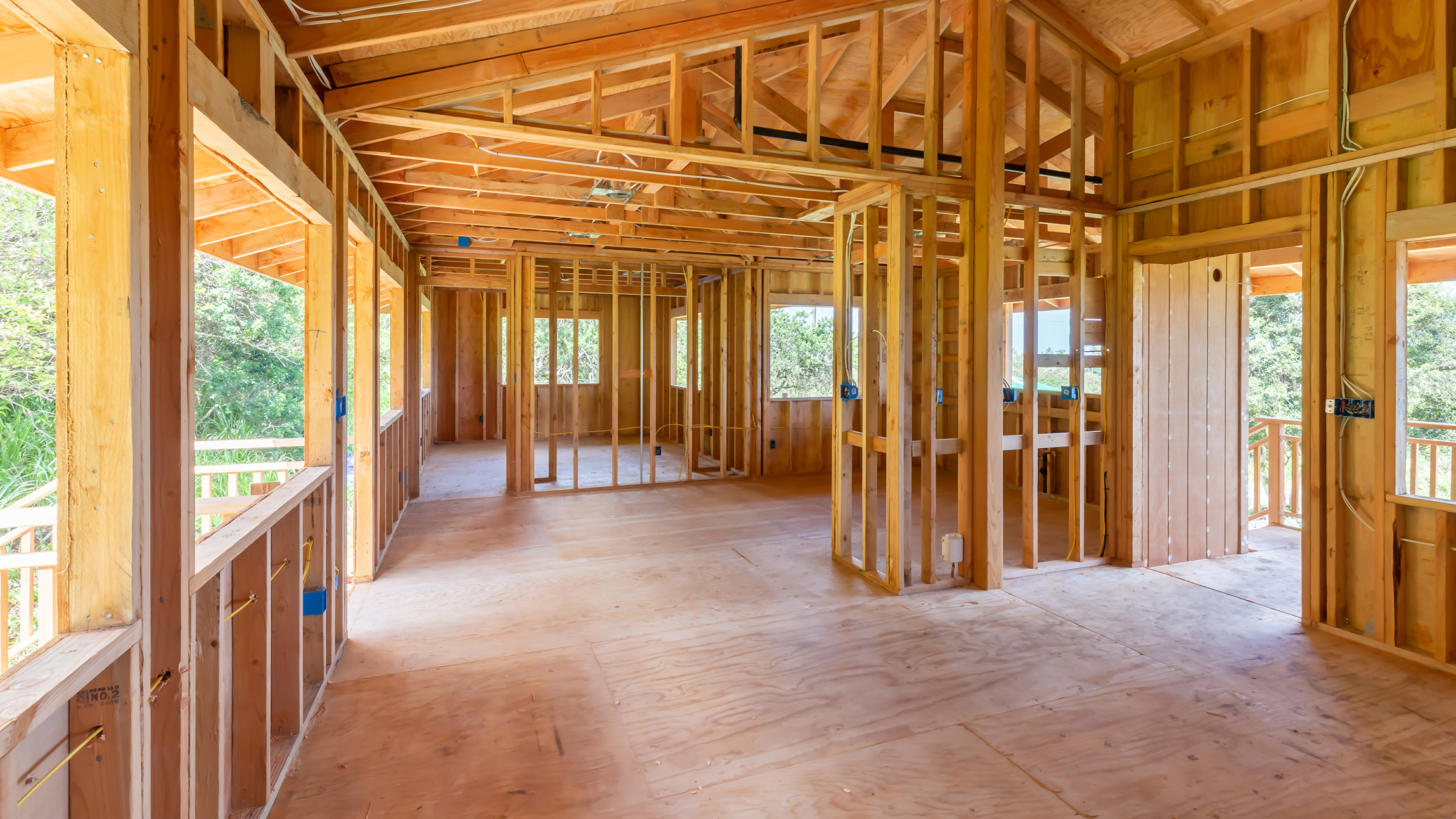
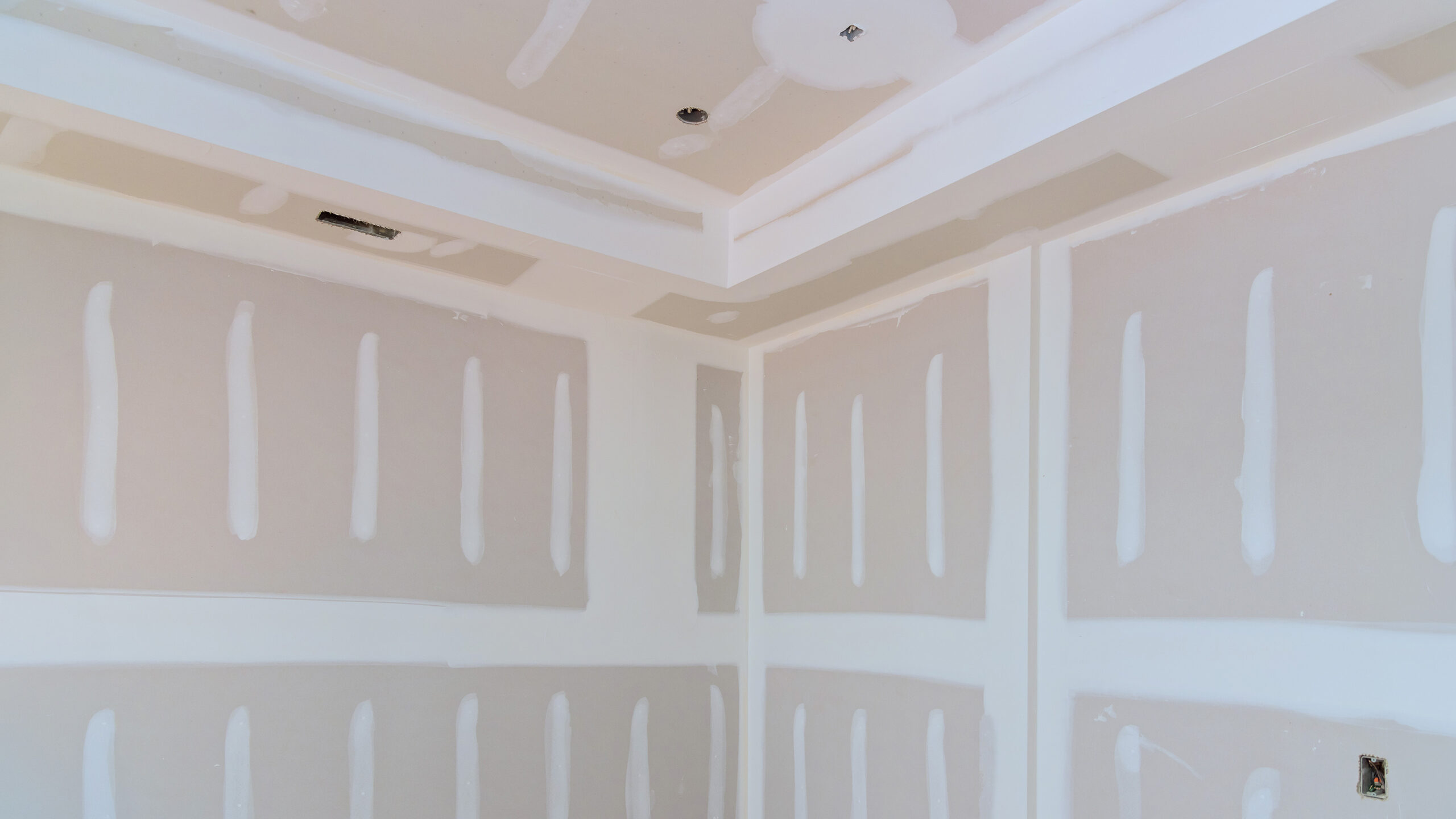
The best time to run wiring is after framing is complete and before insulation and drywall are installed.
At this stage, walls and ceilings are open, making it easy to route cables exactly where they are needed. Labor costs are lower because technicians don’t have to cut openings, fish wires through finished walls, or repair drywall afterward.
This is the ideal time to install:
- Ethernet network cabling
- Security camera wiring
- Speaker wiring
- TV and media room cabling
- Smart home control wiring
- Wireless access point locations
- Fiber optic cabling
- Doorbell and access control wiring
Even if you don’t plan to use every technology immediately, installing the cabling now can save thousands of dollars later.
During Major Renovations
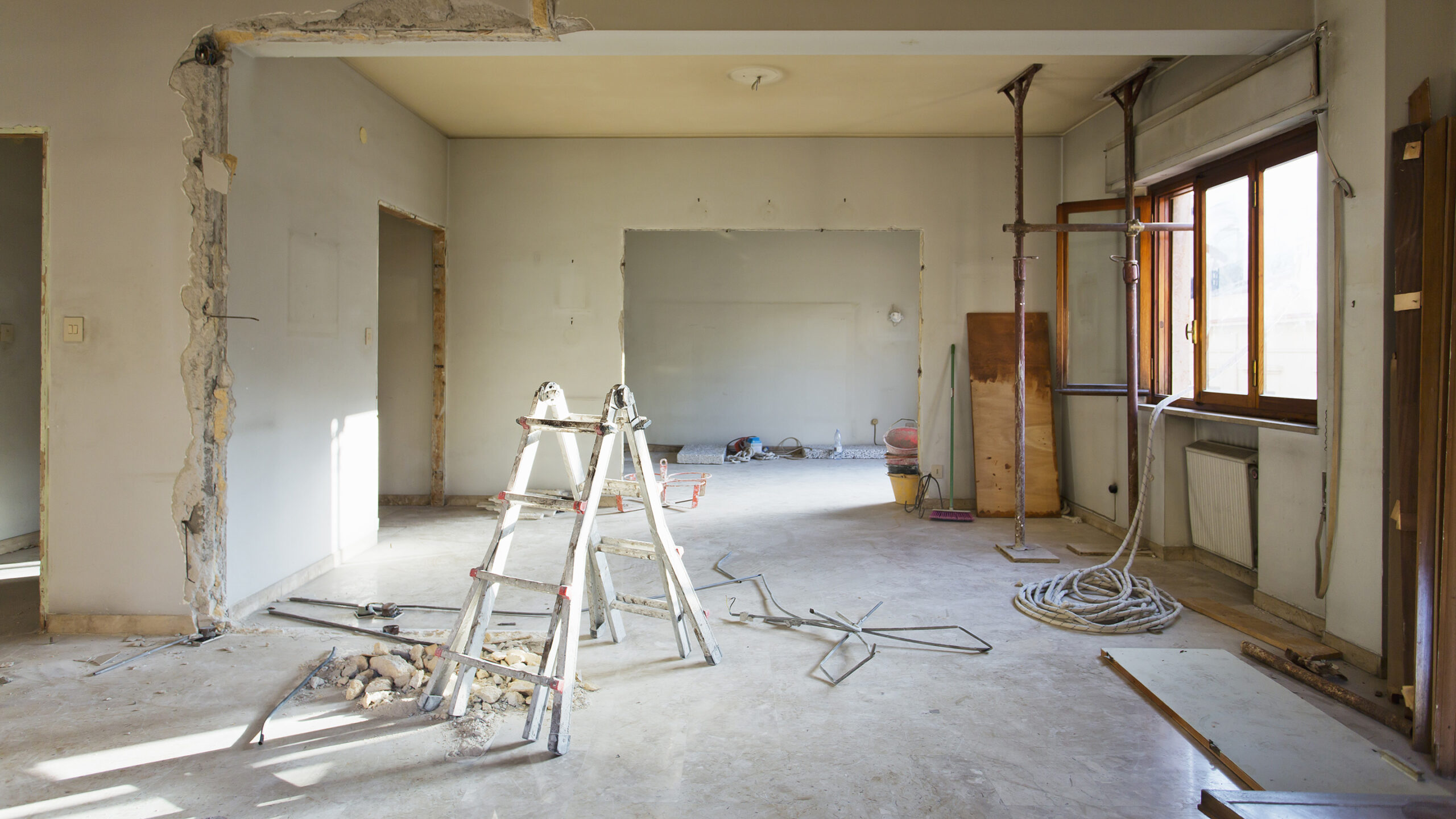
If your home is undergoing a renovation that exposes walls, ceilings, or crawl spaces, take advantage of the opportunity.
Don’t focus only on flooring, paint, cabinets, and fixtures and overlook infrastructure hidden behind the walls.
The additional cost is often minimal compared to reopening those same walls years later.
Whenever walls are opened, consider upgrading:
- Network wiring
- Audio systems
- Security systems
- Television locations
- Smart home devices
- Home office connections
The additional cost is often minimal compared to reopening those same walls years later.
Before Finishing a Basement or Attic
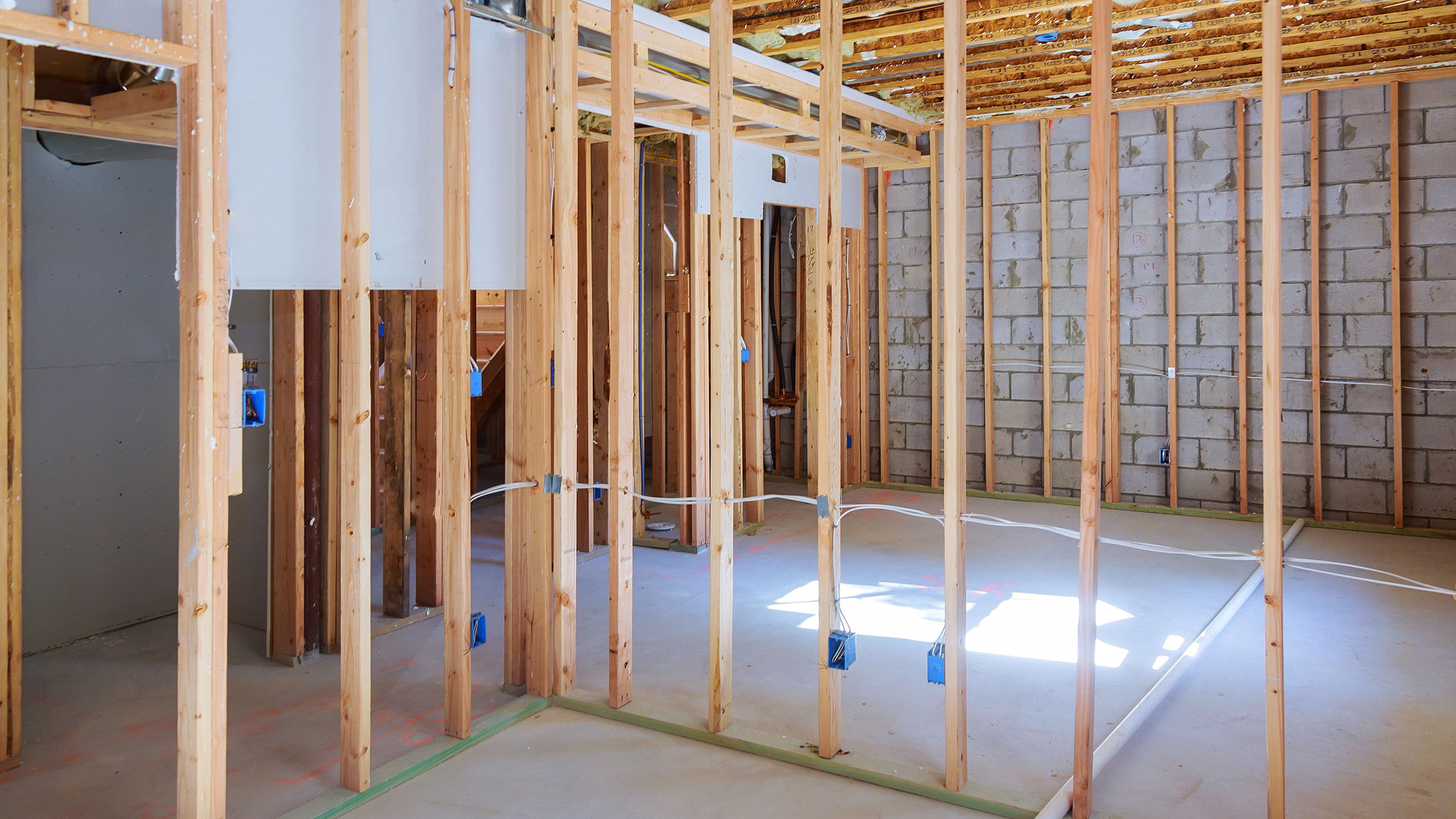
Basements and attics frequently become home offices, entertainment spaces, guest rooms, or rental units.
Before installing drywall or ceiling finishes, consider what technology the space may need in the future.
Questions to ask include:
- Will there be a television?
- Will someone work remotely from this space?
- Will security cameras be installed nearby?
- Could this become a media room?
- Will strong Wi-Fi coverage be required?
Running cables now prevents future headaches and allows for cleaner installations.
When Replacing Siding or Roofing
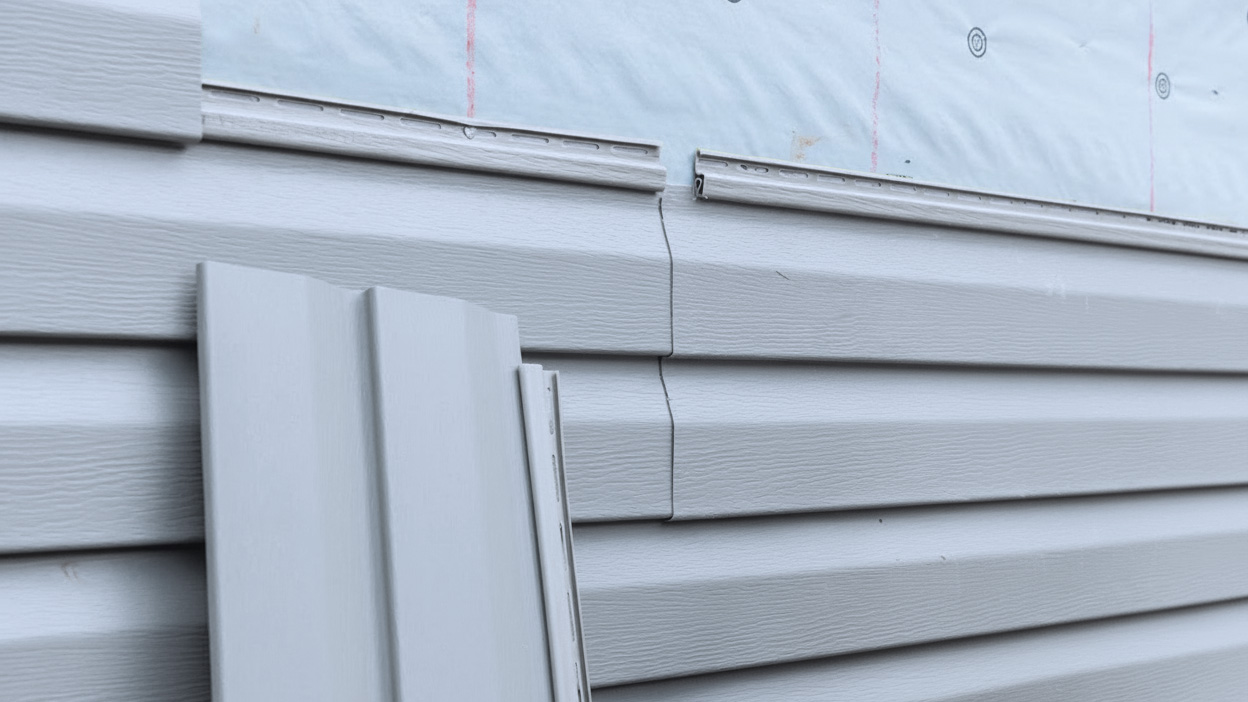
As a homeowner it’s important to realize that exterior projects can provide excellent opportunities for wiring upgrades.
When siding is removed, it may be possible to run:
- Security camera wiring
- Outdoor speaker wiring
- Network connections to detached structures
- Exterior lighting control wiring
Similarly, roof work can create opportunities to add wiring for:
- Security cameras
- Outdoor wireless access points
- Solar monitoring systems
Planning ahead during these projects can reduce installation costs significantly.
Before You Need It
One of the biggest mistakes you can make as a homeowner is waiting until you need a technology solution.
For example:
- A homeowner buys a new smart TV and wants a clean wall-mounted installation. The ideal time to run wiring was before the wall was painted.
- A business owner decides to install security cameras after an incident occurs. The easiest time to run cabling would have been during the renovation completed six months earlier.
- A remote worker struggles with unreliable Wi-Fi and discovers that running Ethernet would solve the problem. Unfortunately, the walls are already finished.
Planning ahead almost always costs less than reacting later.
Why Wired Connections Still Matter
Don’t assume Wi-Fi has eliminated the need for wiring. In reality, the opposite is true.
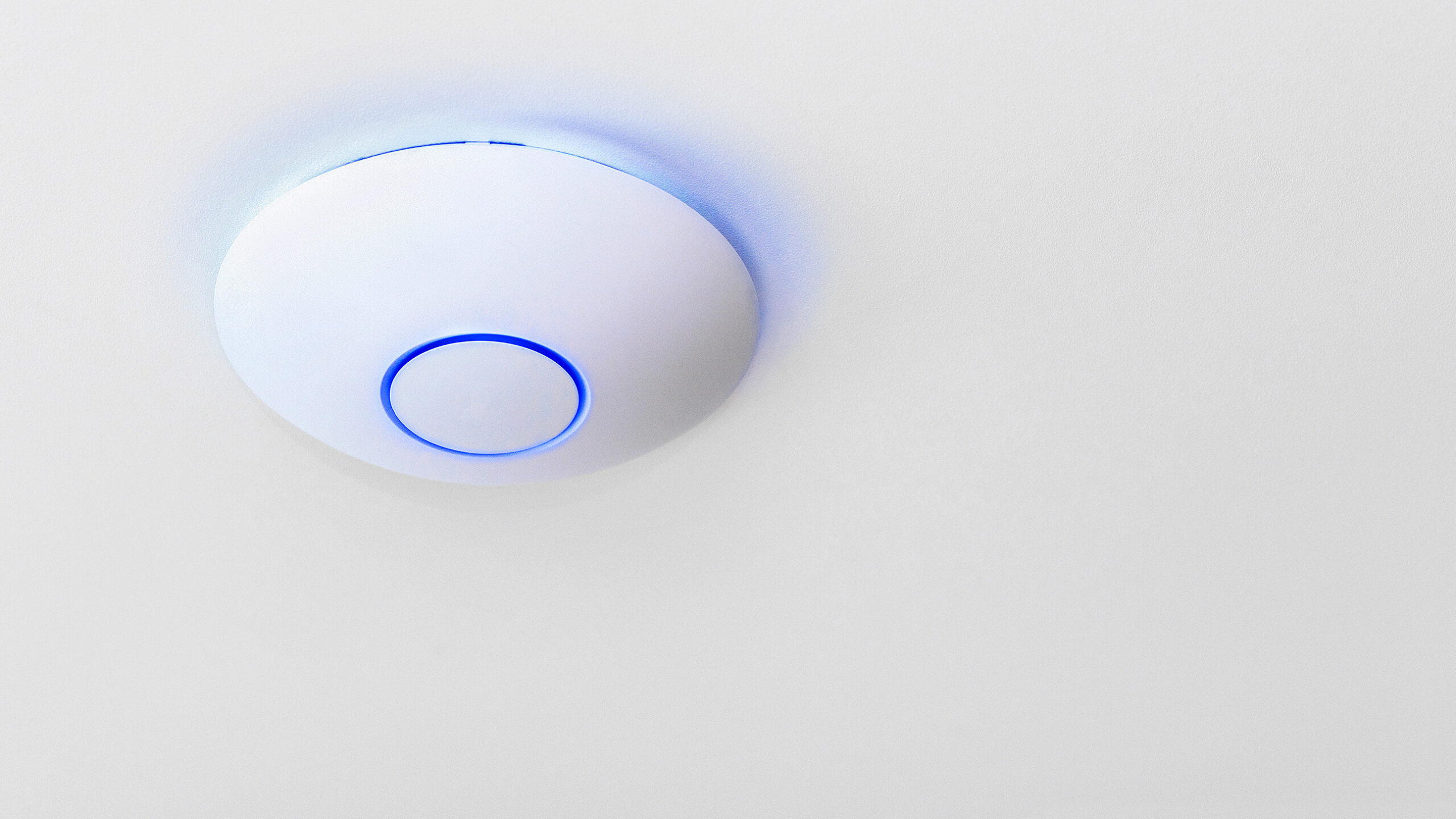
Modern Wi-Fi systems perform best when supported by a strong wired backbone.
Devices that benefit from wired connections include:
- Computers
- Smart TVs
- Streaming devices
- Gaming systems
- Security cameras
- Wireless access points
- Network storage systems
A properly designed wired network delivers faster speeds, greater reliability, lower latency, and fewer connectivity issues.
Future-Proof Your Home

Technology changes quickly, but good infrastructure lasts for decades.
Installing quality cabling during construction or renovation allows you as a homeowner to adapt to future technologies without opening walls again.
Whether you’re building a new home, renovating an existing one, finishing a basement, or upgrading a media room, the best time to run wiring is usually before you think you’ll need it.
A little planning today can save significant time, money, and frustration tomorrow.
Need wiring for networking, security cameras, TV installations, distributed audio, or smart home technology? Continuity Systems Integration provides professional low-voltage cabling solutions for residential and commercial clients throughout Central Virginia. Contact us to discuss your project before the walls close up.